How to Start Commodities Trading: A Step-by-Step Guide for Beginners
Understanding Commodities Trading
Commodities trading involves buying and selling raw materials or primary products such as oil, gold, or agricultural goods. This type of trading can be an exciting way to diversify your investment portfolio, but it requires a solid understanding of the market. Before diving in, it's important to grasp the basics of how commodities markets operate and the factors that influence commodity prices.

Research and Choose Your Market
The first step in starting commodities trading is to research and select the market you wish to trade in. Commodities are generally divided into four categories: energy, metals, agricultural products, and livestock. Each of these categories has its own unique characteristics and risks. Take the time to understand the dynamics of each market and choose one that aligns with your interests and risk tolerance.
Once you've selected a market, delve deeper into the specific commodities within that category. For example, if you choose metals, you might focus on gold, silver, or copper. Understanding supply and demand factors, geopolitical influences, and seasonal trends is crucial for making informed trading decisions.
Set Up Your Trading Account
To start trading commodities, you'll need to set up a trading account with a reputable broker. Look for a broker that offers a user-friendly platform, competitive fees, and educational resources for beginners. It's also essential to ensure that the broker is regulated by a recognized financial authority to protect your investments.
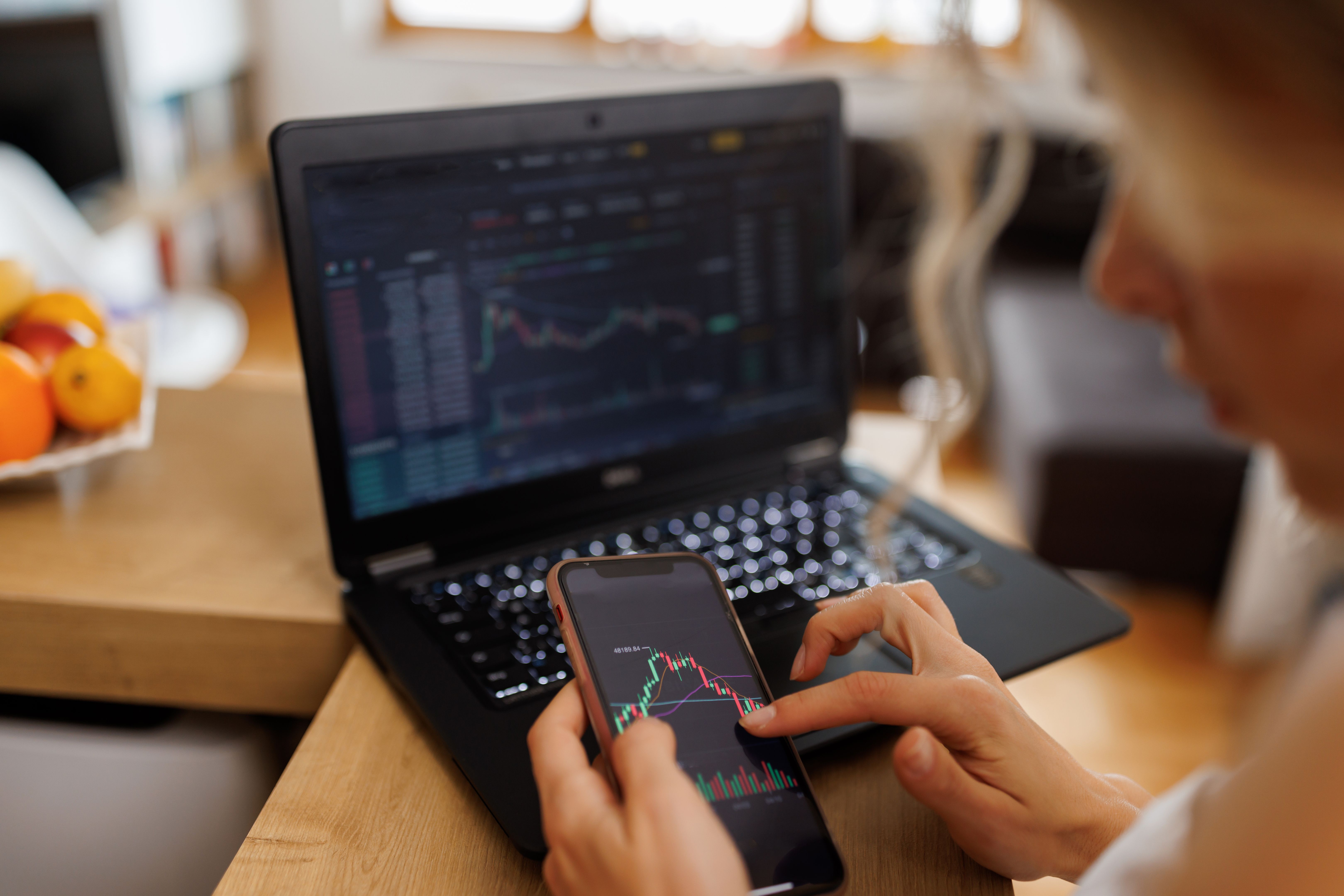
When setting up your account, you'll need to provide personal information and fund your account with an initial deposit. Most brokers offer demo accounts that allow you to practice trading with virtual money before risking real capital. Take advantage of this feature to familiarize yourself with the platform and develop your trading skills.
Develop a Trading Strategy
Having a well-defined trading strategy is crucial for success in commodities trading. Your strategy should include your investment goals, risk tolerance, and the types of trades you plan to execute. Consider whether you'll focus on short-term speculation or long-term investments based on market trends.
Technical analysis and fundamental analysis are two common approaches used in developing trading strategies. Technical analysis involves studying price charts and patterns, while fundamental analysis focuses on economic indicators and market news. Combining both methods can provide a comprehensive view of the market.

Start Trading and Monitor Your Progress
Once you're comfortable with your strategy, it's time to start trading. Begin with small trades to minimize risk and gain experience. As you become more confident, you can gradually increase your trade size and explore different commodities within your chosen market.
Regularly monitor your trades and evaluate your performance. Keeping a trading journal can help you track your successes and failures, allowing you to refine your strategy over time. Stay informed about market developments and be prepared to adjust your approach as needed.
Manage Risks Effectively
Risk management is a vital component of successful commodities trading. Set stop-loss orders to limit potential losses on each trade and avoid over-leveraging your account. Diversifying your portfolio across different commodities can also help mitigate risks.
Remember that trading involves both gains and losses, so it's important to maintain a disciplined approach and not let emotions drive your decisions. By managing risks effectively, you can protect your capital and increase your chances of long-term success in commodities trading.